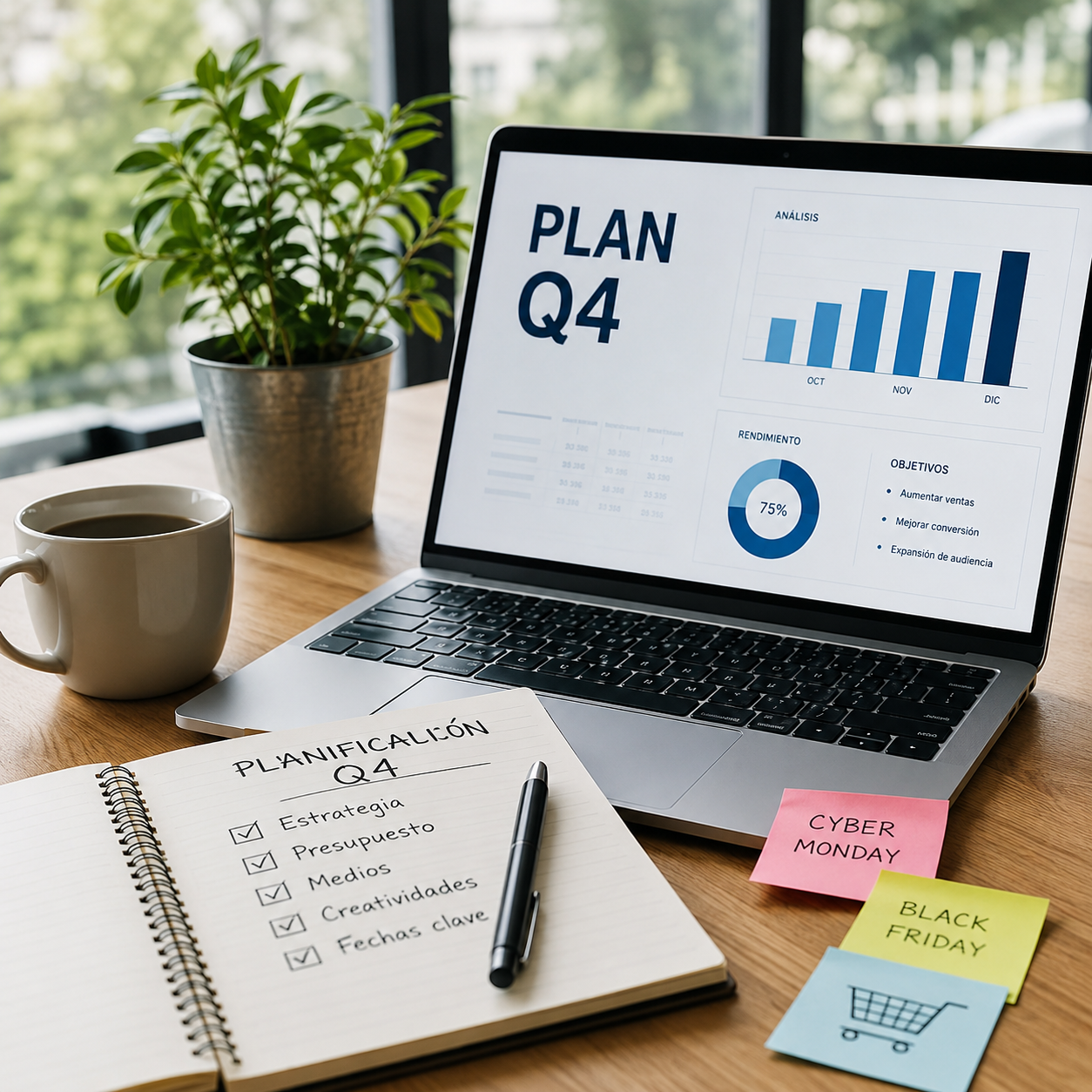
Black Friday is one of the most important commercial events of the year worldwide. Although it originated as a retail-focused date, today it impacts multiple categories, including technology, fashion, travel, entertainment, services, education, beauty, consumer goods, and e-commerce, among many others.
For brands, it represents a major opportunity to accelerate sales and close the year with higher volume. But it also presents a challenge: competing in an environment where consumer attention is highly contested and promotions alone are no longer enough to stand out.
In this context, media strategy plays a central role. Being present during Black Friday is not enough; brands need to be prepared.
More Than Discounts: A Battle for Attention
During Black Friday, consumers expect deals. This means that discounts alone are no longer a differentiator but rather a basic requirement for competing.
The challenge is not only about how much of a discount a brand can offer, but also about how to ensure users see, understand, and remember the brand's proposition amid intense advertising saturation.
To achieve this, media should help build awareness before the event, maintain visibility during key days, and retain users after the peak conversion period.
Building Demand Before the Moment of Purchase
One of the most common mistakes during Black Friday is concentrating the entire media investment on the final days. While that period often generates a significant share of conversions, the user's decision-making process may begin much earlier.
Consumers research products, compare brands, review prices, and wait for the best moment to make a purchase. That is why pre-event campaigns play a fundamental role in positioning products, highlighting benefits, and building qualified audiences.
Social media, video, and programmatic advertising can be powerful allies at this stage, helping generate interest and keep the brand on the consumer's radar before the final purchase decision.
Driving Conversion With Simple Messages
During the key days of Black Friday, communication needs to become more direct. Users are already more willing to buy, but they are also exposed to multiple messages at the same time.
At this stage, messaging should prioritize clarity, urgency, and value. Featured promotions, key products, strategic categories, shipping options, installment plans, limited stock, or exclusive benefits can help accelerate the purchase decision.
It is also important to reduce friction. A strong media campaign can drive traffic, but if the experience that follows does not support the user, part of the opportunity may be lost. Clear landing pages, updated product availability, and simple conversion processes are essential to maximize results.
Remarketing and High-Intent Audiences
Black Friday generates a large volume of valuable interactions: website visits, ad clicks, product views, abandoned carts, incomplete forms, and users comparing different options.
These signals are highly valuable. Remarketing audiences allow brands to reconnect with users who have already shown interest and adapt the message based on their behavior.
Not every user needs the same incentive. Some may respond to a more aggressive offer, while others may need a reminder, an additional benefit, or a last-call message. Personalizing communication can improve efficiency during such a highly competitive period.
The Value of Maintaining the Strategy After the Event
Black Friday does not end when the promotion is over. Many brands can continue to capitalize on the audiences generated during the event.
Users who interacted but did not purchase can be included in future campaigns. Those who completed a purchase can become valuable audiences for loyalty, cross-selling, or repeat purchase strategies. Performance insights can also help optimize year-end or peak-season campaigns.
Thinking about Black Friday as an isolated event limits its potential. Viewing it as part of a broader strategy allows brands to extend its impact beyond the promotional period.
Conclusion
Black Friday is a major commercial opportunity, but it is also a test of strategy. In a saturated environment, the brands that are best prepared are not necessarily those that invest the most, but those that plan more effectively.
Building demand before the event, driving conversions during it, and capitalizing on audiences afterward can transform a promotional date into a real growth opportunity.


.png)